
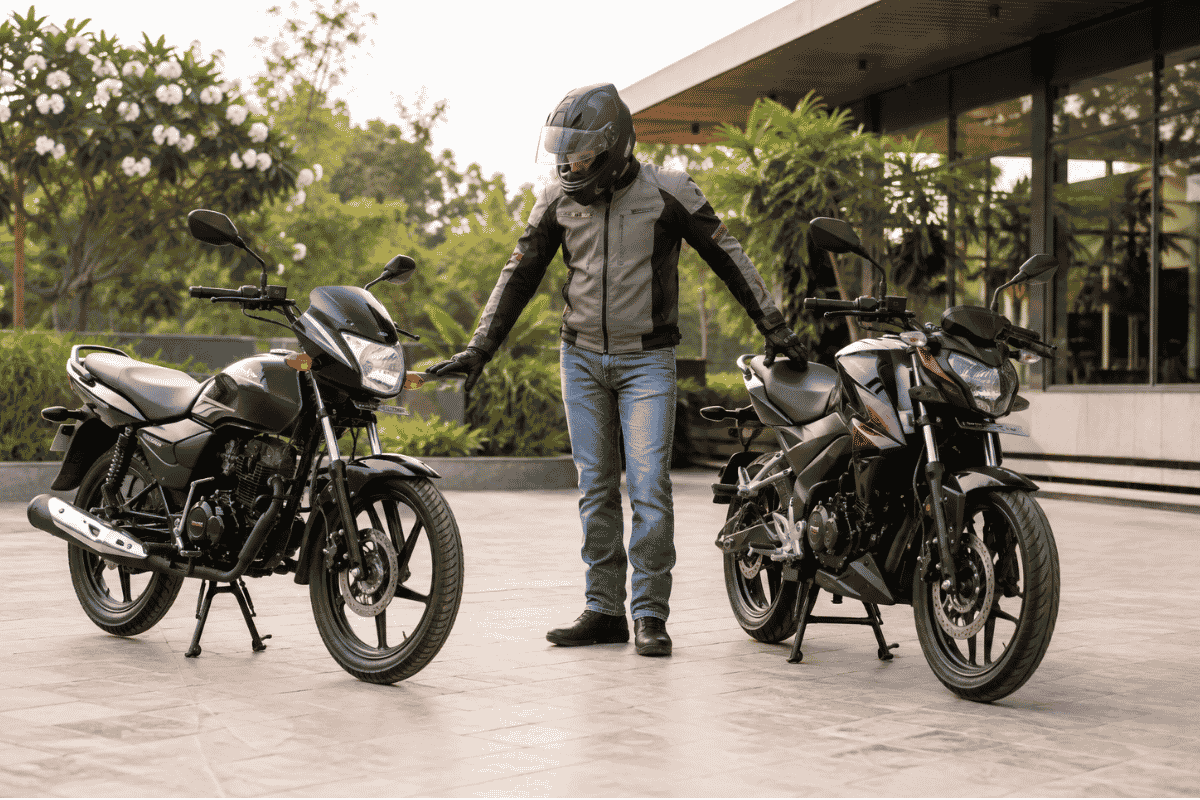
How Engine Size Affects Different Motorcycle Types
- Auto
- Madrid king
- 2026-08-07 16:18:08
- 566116
Engine capacity is one of the first specifications buyers notice when comparing motorcycles. However, a larger engine does not automatically provide a better ownership experience.
The same engine capacity can feel very different depending on the motorcycle’s weight, design, gearing and intended purpose. Understanding these differences can help riders choose an appropriate combination of performance, comfort and running costs.
Small-Capacity Commuter Bikes
Smaller engines are commonly used in commuter motorcycles. They generally focus on smooth power delivery and fuel efficiency rather than rapid acceleration.
These motorcycles are suitable for city traffic because they are usually lightweight and easy to control. They may also offer affordable insurance, servicing and replacement parts.
A smaller commuter can be ideal for students, office workers and new riders. However, its performance may feel limited when carrying a passenger or maintaining speed on long highway journeys.
Medium-Capacity Street Bikes
Street and naked motorcycles often use engines that provide stronger acceleration without becoming excessively difficult to manage.
Their upright seating position and responsive handling make them suitable for commuting, weekend rides and occasional highway journeys. They can be a practical upgrade for riders who have developed confidence on smaller motorcycles.
Fuel consumption and maintenance costs are likely to be higher than those of a basic commuter, but they may remain manageable for regular use.
Sports Bikes and Engine Performance
Sports motorcycles are designed to use engine performance more aggressively. Their aerodynamic bodywork, gearing and riding position support quicker acceleration and responsive handling.
Even a sports bike with a moderate engine capacity can feel powerful because of its lightweight construction and rapid throttle response.
Buyers should evaluate the complete motorcycle instead of assuming that engine capacity alone represents its performance level.
Cruisers and Low-Speed Power
Cruiser engines commonly prioritise smooth low-speed power. This can make them feel relaxed during highway travel without requiring frequent gear changes.
Cruisers may be heavy, so engine capacity is only one part of their riding experience. Low-speed handling, turning ability and parking effort should also be tested.
Adventure and Touring Motorcycles
Adventure and touring motorcycles require enough engine performance to carry a rider, passenger and luggage over long distances.
A larger engine may provide easier highway cruising, but it also adds weight, fuel consumption and ownership costs. Riders who mostly travel alone or over shorter distances may find a lighter adventure bike more practical.
Electric Motorcycles Work Differently
Electric motorcycles are not normally compared using conventional engine capacity. Battery size, motor output, range and charging time are more relevant.
Electric motors can provide immediate acceleration, even in compact city models. Buyers should therefore test the power delivery and consider whether the available range matches their routine.
Match Performance to Your Experience
Do not select an engine size based only on recommendations from other riders. Your daily route, experience and comfort with the motorcycle’s weight are more important.
The complete guide to the types of bikes in India explains how different motorcycle categories are designed for particular riding purposes.
Take a test ride before making your decision. A manageable motorcycle that comfortably meets your needs will usually provide a better experience than an unnecessarily powerful model.
611 people like this
















About Premium Author
This post has been authored and published by one of our premium contributors, who are experts in their fields. They bring high-quality, well-researched content that adds significant value to our platform.