
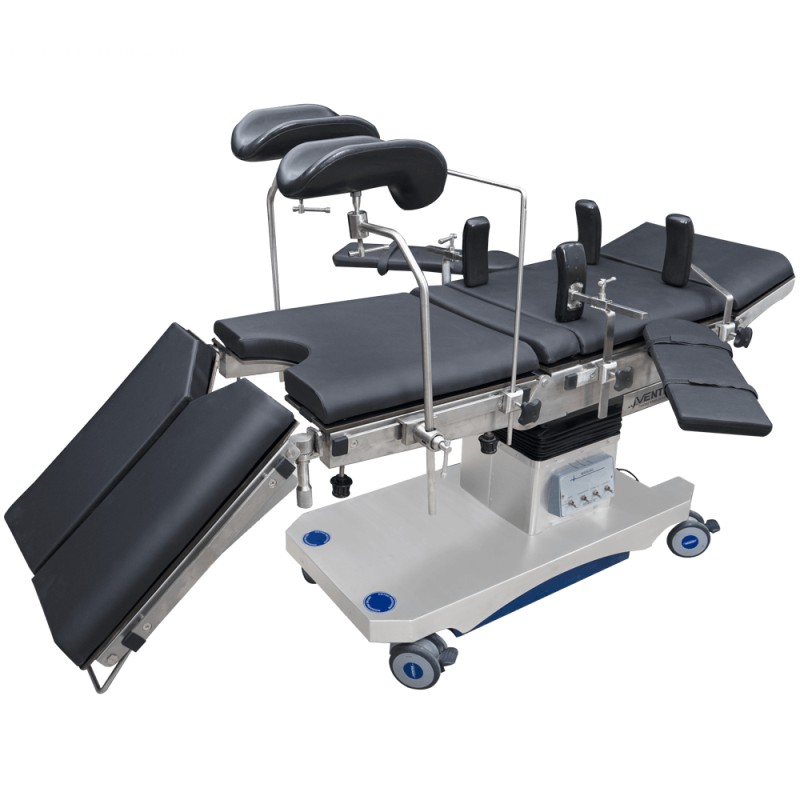
Choosing an OT Table for an Existing Delhi Theatre
- Health
- Simon devilliers
- 2026-10-21 12:18:13
- 566396
An operating table has to work with the room around it. Its base, controls, accessories and movement range affect where the team can stand and how other equipment can approach. For a Delhi hospital replacing a table in an existing theatre, choosing by the tabletop photograph alone leaves too many practical questions unanswered.
The purchasing brief should describe the hospital's current work and the limitations of the room. Sharing that brief with an OT table manufacturer in Delhi makes the discussion more specific: which configuration fits, which accessories are needed and what must be demonstrated before an order is placed.
Product images from Ventek India
Begin with the case mix and the installed equipment
List the specialties the theatre regularly supports and any planned additions already approved by the hospital. Ask the responsible clinicians to identify the positioning functions and accessories they require. Keep those requirements separate from features that would simply be convenient to have.
Alongside the case list, record the equipment that shares the room. Include imaging equipment, stools, transfer trolleys, anaesthesia equipment and fixed services. The purpose is to identify the movements and approach routes that need to be checked with the proposed table. Actual clinical use must continue to follow the approved instructions and hospital procedures.
Measure the base as well as the tabletop
Request dimensions for the complete table, including the base and any components that project beyond the top. Note the location of foot controls, locking mechanisms and cable connections. Compare the proposed footprint with the available floor area and the positions occupied by staff during normal work.
Doorways and delivery routes matter too. Confirm how the equipment reaches the theatre, including lift access, turning space and any unpacking requirements. An OT table supplier in Delhi should explain its delivery and installation scope before the hospital schedules the move. These details are easier to settle before the unit is on site.
Treat every attachment as a compatibility question
An attachment with the right name is not necessarily the right attachment for a particular table. Ask for the approved accessory list, mounting arrangement and relevant operating instructions. Record the exact models included in the offer rather than accepting a general phrase such as standard accessories.
If the hospital plans to reuse existing items, ask the manufacturer to confirm compatibility in writing. Check rails, clamps and interfaces under the hospital's approved assessment process. Avoid assuming that parts from different suppliers can be combined because they appear to fit. The Ventek OT table range provides a useful starting point for identifying configurations to discuss.
Demonstrate the complete arrangement
The trial should show the offered table with the accessories that matter to the hospital. Ask the supplier to demonstrate the controls, the locking process and the movements described in its instructions. Include staff who will operate, clean and maintain the table, so the review captures more than the purchasing team's observations.
Where imaging access is required, arrange an appropriate equipment-clearance assessment with the responsible teams. A radiolucent tabletop description does not, by itself, prove that an imaging unit can reach every required position. Record what was demonstrated and any limits that remain to be confirmed. Never substitute an informal demonstration for the necessary technical and clinical approvals.
Clarify limits and options before comparing prices
Ask for the permitted load and configuration limits for the quoted model. Have the relevant hospital team review how these apply when accessories are fitted and when movements are combined. A general capacity statement is not enough to resolve every intended use.
Make optional items explicit. Battery support, additional controls, mattresses, specialised attachments and other features may be offered separately. If they are required, include them in the final comparison and purchase order. This prevents a lower initial price from concealing a different specification.
Plan handover around the people who will own the equipment
Agree who receives the operating manual, who attends training and who keeps the equipment record. Obtain the model and serial details, supplied accessory list, cleaning instructions, maintenance schedule and warranty terms. Identify the local contact for reporting a fault and the escalation route if a part is needed.
When shortlisting surgical table manufacturers in Delhi, ask each to answer the same room, accessory and support questions. The result should be an operating table selected for a documented set of needs, with the required interfaces checked and the handover responsibilities understood. That gives the hospital a sound basis for installation and ongoing use.
639 people like this













About Premium Author
This post has been authored and published by one of our premium contributors, who are experts in their fields. They bring high-quality, well-researched content that adds significant value to our platform.