
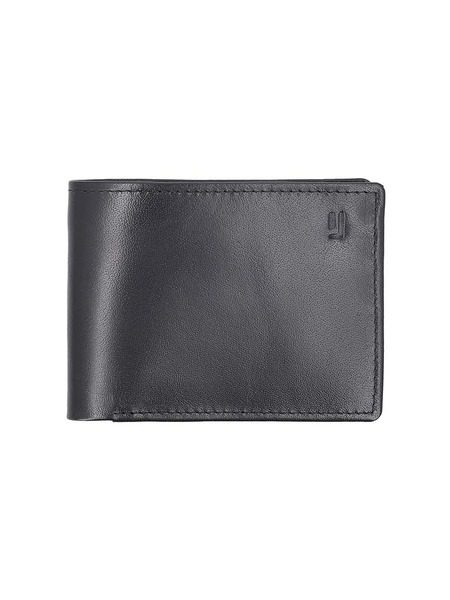
5 Leather Wallet Features UAE Buyers Should Check
- Business
- jhony deep5
- 2026-10-13 12:27:16
- 566306
Walk into a major mall in Dubai or Abu Dhabi and there is no shortage of wallets. European luxury houses, regional leather brands and fast fashion accessory lines can all sit behind the same display, giving shoppers more choice than they could realistically compare.
The problem is not finding a wallet that looks good or holds a few cards. Almost every wallet on the shelf can do that. The differences usually appear months later, after repeated use in UAE heat, daily pocket carry and professional situations where the wallet is opened several times a day.
That is why buying a mens leather wallet in the UAE requires a slightly different checklist. The leather itself is not necessarily different. The conditions in which the wallet is used are.
Here are five features worth checking physically before buying a leather wallet UAE buyers intend to use every day.
Check the Wallet Construction Before Buying
A wallet carried in a trouser or kandura pocket during a UAE summer experiences very different conditions from one carried through a cooler climate. A parked car can become extremely hot, while a wallet moves repeatedly between air conditioned buildings, vehicles and outdoor heat.
One of the less visible parts of wallet construction is the adhesive used to bond leather layers, attach the interior lining and secure card slot backing. It is also something a buyer cannot properly assess by looking at a product photograph.
There is a simple physical check. Hold the wallet and apply gentle pressure to the spine, particularly along the fold of a bifold or the base seam of a card case. The area should feel consistently solid rather than hollow or unusually soft in one section.
The same applies to the interior card slots. Run a fingernail gently along the edge of each slot and check whether the backing feels firmly secured across its surface. Loose edges may become more noticeable with repeated heat and use.
For a mens wallet UAE professionals carry every day, construction quality is worth checking before appearance takes over the buying decision.
Choose Card Slots Based on What You Actually Carry
The UAE payment environment creates a particular wallet problem. Cards are used extensively at malls, hotels, restaurants and retailers, but cash has not disappeared from everyday transactions. Tipping, some taxi payments, petrol stations, traditional souks and smaller service interactions can still require cash.
That means a wallet needs to accommodate both cards and notes without becoming unnecessarily bulky.
A typical UAE professional may carry two or three bank cards, an Emirates ID, a driving licence and potentially business cards. That can mean five to seven cards or documents before cash is even considered.
A wallet with four card slots can reach its practical limit quickly. Six to eight properly organised slots give considerably more flexibility.
There is another physical check worth making. Put a finger inside an empty card slot. It should retain its shape rather than collapsing completely when nothing is inserted. Check how the slots are arranged too. A fan layout generally makes individual cards easier to access than a tightly stacked arrangement.
The right question is not simply how many cards a wallet can technically hold. It is whether the wallet can hold the buyer's actual daily carry without forcing every slot to operate at maximum capacity.
Check the Hardware Finish Before You Buy
Hardware is easy to overlook on a wallet because it occupies such a small part of the product. A press stud, clasp or decorative rivet may seem insignificant compared with the leather, but these pieces are repeatedly handled and exposed to heat, perspiration and friction.
Chrome and gold toned finishes can also create different visual effects against leather as the wallet ages. Brass or gold toned hardware can develop a warmer appearance over time, while chrome generally maintains a cooler, more contrasting look.
Press each piece of hardware firmly and examine the finish around the edges. There should be no obvious plating gaps, rough sections or irregular tooling marks. Run a fingernail lightly across the edge of a press stud or rivet. A sharp or uneven edge is something worth noticing before purchase.
Also check how the hardware sits against the leather. Hardware that is properly recessed into the construction is less exposed to the constant friction that comes from opening, closing and carrying a wallet throughout the day.
A small component should not determine the whole purchase, but poor hardware finishing can become an obvious irritation once the wallet is used repeatedly.
Consider How the Wallet Looks in Professional Settings
A wallet is often treated as a private item. In the UAE, there are plenty of situations where it becomes visible in a professional setting.
Think about a business dinner at a hotel restaurant, a networking event in DIFC or a client meal. When the bill arrives, the wallet comes out. It may only be visible for a few seconds, but it is being handled at close range rather than sitting unnoticed inside a pocket.
That does not mean a wallet needs a large logo or obvious branding. In these situations, the details that matter are often much simpler: the quality and consistency of the leather surface, the finish across the wallet and whether it opens and closes smoothly.
The difference becomes particularly noticeable when the wallet has been used for months. Card slots that have become excessively tight, edges that have started lifting or a closure that requires adjustment can create unnecessary friction during a simple transaction.
This is where the distinction between a luxury mens leather wallet and one chosen primarily for its visible branding becomes more interesting. Even when comparing top luxury wallet brands, the useful test is still how the wallet looks and behaves in the hand.
Check How the Wallet Fits in a Kandura Pocket
Wallet dimensions matter differently depending on where the wallet is carried. For men who carry a wallet in a kandura chest or side pocket, the shape and thickness can affect how the wallet sits against the fabric.
A wallet that is too wide may sit awkwardly inside the pocket, while one that becomes too thick when loaded can create a visible outline through lighter kandura fabric. The issue is therefore not only comfort. It is also how the wallet's profile looks when it is being carried.
Before purchasing a mens leather wallet, check its actual dimensions rather than relying on photographs. A wallet intended for kandura pocket carry should be slim enough to sit naturally inside the pocket without creating unnecessary bulk.
It is also important to consider the loaded thickness rather than the empty measurement. Eight cards can add considerably more thickness to a wallet that looks extremely slim in a product photograph.
Finally, check the closure. A secure snap or similar closure can be more practical for a deeper pocket than an open top design, particularly when the wallet will move around during the day.
Five Checks to Make Before Buying a Leather Wallet
Before choosing a wallet, these five physical checks can narrow down the options quickly:
- Check the construction: Press the spine and interior pocket edges. The wallet should feel solid and consistently constructed.
- Count the slots: Match the number of card slots to the actual UAE carry, including identification, bank cards, driving licence and cash.
- Inspect the hardware: Look closely at the edges for roughness, plating gaps and inconsistent finishing.
- Test the opening: Open and close the wallet several times with one hand. It should not require constant adjustment.
- Check the profile: Compare the loaded dimensions with the pocket where the wallet will actually be carried, particularly if it will be used with a kandura.
These checks are more useful than simply judging a wallet from across a display case. A wallet can look almost identical to another option and still differ significantly in how it is constructed, organised and carried.
What Matters Most When Choosing a Leather Wallet in the UAE
Looking at a heritage leather range such as Jafferjees' UAE wallet collection can show how these considerations appear into actual wallet designs. The useful comparison is not simply price or branding. It is whether the construction, capacity, hardware, accessibility and dimensions make sense for the way the wallet will be used.
A wallet that passes all five checks is not necessarily the most expensive one in the display case. It is simply one that has been assessed for the conditions it will actually face. In the UAE, that means looking beyond the leather surface and checking what happens when the wallet spends every day in a pocket, in the heat and in the hands of the person carrying it.
630 people like this








About Premium Author
This post has been authored and published by one of our premium contributors, who are experts in their fields. They bring high-quality, well-researched content that adds significant value to our platform.