
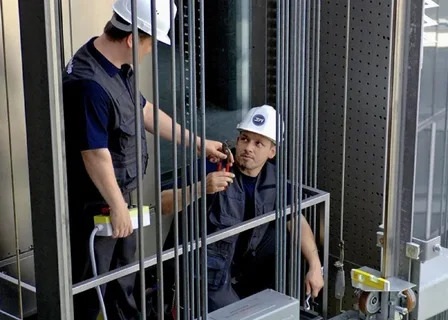
How Much Does Residential Elevator Repair Typically Cost?
- Home
- Muhamamd Irfan
- 2026-10-22 16:15:09
- 566416
Home elevators offer an easy way to move from one floor to another, but they can develop mechanical problems that can impact their reliability and use. Elevator repair costs will depend on the problem, elevator design, availability of parts, and elevator services needed. Some minor issues might need minor adjustments, and more complicated mechanical or electrical problems can have more significant costs. When you know these factors, you can better prepare your maintenance budget and understand the estimates of services you need to approve before they come to your home and you have to pay for them.
The repair cost is determined by a number of crucial factors such as age of the elevator, damaged parts, emergency service requirements, etc. It is important to understand that the cost of residential elevator repair can differ depending on the type of elevator that is in use. Depending on the age of the elevator, it may be necessary to use certain parts that are not common, or the newer models may use parts that are manufactured by the elevator's specific manufacturer. Additional charges that can impact the total bill include labor and diagnostic fees. Once you know these, homeowners can thoroughly evaluate their home elevator quotes and make a wise decision.
What Is the Average Cost of Residential Elevator Repair?
The cost of home elevator repair varies depending on the type of repair work. This is dependent upon the problem, the number of parts needed, and the workload of the technician. A minor change can be a simple job with minimal labor, and a minor failure such as electrical or mechanical can take extra time to diagnosis and extra parts to replace.
The cost of repairing the home elevator varies from place to place. They can vary by labor, parts availability, distance of travel and manufacturer of the elevator. As such, homeowners should never assume that the price estimates they find online are guaranteed prices.
To get an accurate estimate, have a qualified elevator technician inspect it. Inquire about the fault, parts needed, and break down any other charges into labor and parts. This is a more convenient way for the user to comprehend what the work will entail through the approved repair.
How Do Minor Repairs Compare With Major Repairs?
Simple fixes can include sensor adjustments, loose connections, or minor fixes to the door mechanisms. These tasks typically take less parts and time to complete than larger component replacement jobs. The actual cost will vary, however, depending on the fault and the design of the elevator.
Typical repairs can include motor replacement, hydraulic pump replacement, control board replacement etc. Specialized parts and extra testing may be required for these types of jobs. A technician would need to get to the root of the problem before he can give a reliable estimate.
What Costs Are Usually Included in a Repair Quote?
There can be a diagnosis labour cost, replacement parts cost, installation cost and inspection fee as part of a repair quote. Some providers also require travel fees, emergency appointments or a follow-up visit. The final amount may be impacted by taxes and warranty.
It's best to request an itemized quotation from the homeowner before giving the go-sig to work. They should ask whether the cost includes tests and adjustments following installation. Transparency in pricing eliminates confusion and more meaningful comparisons between providers.
Which Factors Affect Residential Elevator Repair Costs?
The final price of repairing a home elevator is dependent upon a few factors. The type, condition, and severity of the elevator fault will all affect the amount of work required. In the case of a compact and/or complex installation, technicians might be required to take longer to access components.
The cost and repair time may be impacted by parts availability. Older units may include obsolete parts which need special sourcing. Some newer systems might require manufacturer-specific parts and/or diagnostic equipment. Therefore, it is important for homeowners to inquire if the technician will be able to get the proper replacements.
Another factor is location; there are differences in labor rates and service coverage from one market to another. Additional charges may apply for emergency appointments and are particularly likely to be higher during hours when the office isn't open. While maintenance does not stop all elevator problems, residential elevator maintenance can help to detect problems before they become serious.
How Do Elevator Type and Age Affect Pricing?
There are a variety of components and operating principles for hydraulic, traction and other residential elevator systems. Their repair needs are thus different from one another. A hydraulic system can require work on its pump or fluid related components, or a system may fail due to a fault in its drive or controls system.
Some parts may be harder to find or additional compatibility testing may be necessary in older elevators. But the age is not a determining factor in repair cost. However, the state of the system, its maintenance records and availability of appropriate components are also important.
Do Emergency Repairs Cost More?
Technician may have to reschedule or work late on emergency appointments, which can increase their cost. Callout fees may apply for extra services and will be charged for urgent visits, evenings and holidays.
Homeowners should inquire about emergency pricing prior to granting non-urgent work. But the safety issues need to be addressed immediately. In case the elevator gets stuck, use the elevator's communication system and call in qualified rescuers or emergency services.
What Are the Most Common Home Elevator Repairs?
Home elevators can get faulty and have problems with doors, sensors, controls, motors, switches, or hydraulics. Some issues manifest themselves as strange noises, erratic motion, repeated shutdowns, or doors that don't close properly. One sign, though, may be caused by several different things.
When a professional diagnosis is performed, they will be able to determine the actual problem before a technician suggests repairs. A door that does not close, for instance, can have a sensor problem, a mechanical blockage or a broken operator. Every problem calls for a unique solution and can have varying costs.
Additional electrical issues, worn parts and failures in the control systems can also be fixed by elevator repair services. The technician should explain what needs to be done to fix the issue: adjustment, replacement, or further investigation! This can be useful for homeowners to read and to help them understand the estimate and why the recommended work is required.
Are Door and Control Problems Expensive to Fix?
Repairing a door or controls can be a simple or complex task. The adjustment of a sensor can take only a few minutes; the replacement of a damaged door operator or control board may require replacement parts and further testing.
Owners should never take it for granted that a fault on the outside doors or controls are identical. A professional technician will be able to check the system and tell you what’s wrong with it and how to fix it.
When Might Major Components Need Replacement?
When the major components get heavily damaged, continually fail, or become unreliable, they need to be replaced. This includes components such as motors, hydraulic pumps, drive components, and control boards.
The technician should evaluate the condition of the component, and determine if a replacement is still available. In some instances, repair may still be feasible. In other cases, the old system may be in such poor condition that the age and condition of the system may warrant consideration of other options.
Is Repair or Replacement More Cost-Effective?
It all depends on the condition, age, and repair history of the elevator to decide whether to repair or replace the elevator. A targeted repair is reasonable if the fault can be determined and appropriate parts are available. Repeated breakdowns, however, can escalate up maintenance costs and disturb the lifestyle of the household.
Homeowners need to evaluate the upfront repair cost against the cost of servicing that might need to be done later. They should also take into account the availability of parts as well as the condition of other major components. If the same type of problems are still occurring, the initial low price might not be the most cost-effective choice.
When an elevator has outdated controls, or is often in need of significant repairs, it may be time to consider modernization. Modernization is not necessarily the replacement of the entire elevator. It is important that a qualified provider can let you know if it is practical and economical to upgrade certain components.
How Can Homeowners Evaluate a Residential Elevator Repair Quote?
Owners should ask for a specific, detailed estimate, in writing, detailing the defect and what will be done. The estimate should include labor charges, replacement parts, inspection fees and any other service charges. It should also describe the expected time frame for the repairs, as well as the terms of the warranty.
Check the expertise of a residential elevator repair company and ensure that they are experienced in the particular make and model you are interested in. Inquire about pertinent qualification, insurance, service coverage, and replacement parts. These checks assist property owners to determine if the provider can be trusted with the work that needs to be completed.
One of the benefits of getting multiple estimates is that you can see that there are price variations and differences in repair coverage. But the price should not be the sole determining factor for homeowners. A lower quote may not be inclusive of testing, follow-up visits, or necessary elements. Have each provider describe what they recommend to make it easier to compare like to like.
When Should Homeowners Arrange Professional Elevator Repair?
If an elevator is making strange sounds, stopping unevenly, moving in an inconsistent fashion or keeps stopping, homeowners must get in touch with an expert technician. Any problems with doors and frequent control failures should be attended to professionally as well. The following symptoms may be an indication of faults that need to be checked prior to normal operation.
Never ignore safety devices or try to get a defective elevator to run. Should a person become entrapped, use emergency communication system and summon trained rescue personnel. Do not operate when safety concerns are raised and adhere to the technician's instructions before operating it again.
Timely intervention can help to determine the problem and alleviate confusion about what needs to be done. But a proper assessment is needed to determine the cause and proper repair.
Conclusion
The cost of elevator repair in the home will vary with the fault, the design of the elevator, labor cost, and replacement parts. Owners should ask homeowners' for itemized estimates and make sure to compare the work to be done before selecting a provider. They should also look into the history of the elevator's repairs, the availability of parts and the state of the elevator. It's best to let expert technicians solve the problem and let you understand the costs when making your choice for elevator repair in a residence. This way homeowners will be able to make informed decisions and ensure that they are safe in the process.
FAQs
How much does it cost to repair a home elevator?
Depending on the fault, parts required, labor and elevator model, the cost will differ. A professional inspection will give a more accurate estimate.
What is the frequency of the inspection of a residence elevator?
Perform routine maintenance according to manufacturer's schedule and local safety guidelines. Worn parts can be detected before major trouble via regular inspections.
What are the factors that impact on the cost of a residential elevator repair?
Factors such as elevator age, problem severity, replacement parts, labor rates, and emergency service needs all affect the cost of residential elevator repair services.
Is it better to repair or replace a home elevator?
Isolate faults may be amenable to repair, but if the breakdown is frequent or components are outdated, replacement may be warranted. With a qualified technician, check the long-term costs.
641 people like this













About Premium Author
This post has been authored and published by one of our premium contributors, who are experts in their fields. They bring high-quality, well-researched content that adds significant value to our platform.