
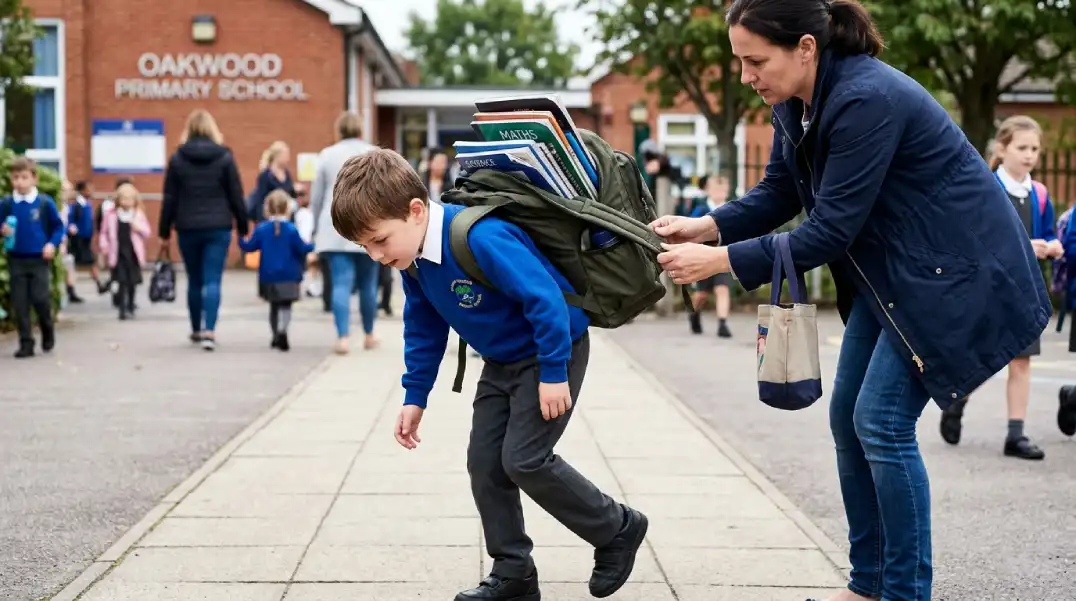
Are School Bags Too Heavy for Kids? Simple Solutions
- Education
- sammi khan
- 2026-03-09 01:52:55
- 565366
Heavy school bags have become a common concern for many families. Students often carry several textbooks, notebooks, and supplies every day. This growing load raises questions about children’s comfort, posture, and overall school experience.
Education experts and pediatric health organizations frequently highlight the impact of excessive weight on developing bodies. According to the American Academy of Pediatrics, a child’s backpack should ideally weigh no more than 10–20% of the child’s body weight. Many school bags exceed this recommendation.
Parents, teachers, and students are therefore looking for heavy school bags solutions that are realistic and easy to follow. Reducing the weight of school bags requires awareness, better organization, and thoughtful choices about materials and bag design.
The following sections explain why heavy bags have become a concern and provide practical strategies to make school days more comfortable for students.
Why Heavy School Bags Are a Growing Concern
Heavy school bags affect many students across different age groups. The increase in textbooks, notebooks, and daily materials has gradually increased the average bag weight.
Increasing Academic Materials
Modern classrooms often require multiple textbooks, workbooks, notebooks, and stationery items. A typical student may carry:
- 4 to 6 textbooks
- 3 to 5 notebooks
- Pencil cases, lunch boxes, and water bottles
This combination can easily create a bag weight of 5 to 7 kilograms. Younger children with smaller body frames may struggle to carry such weight daily.
Digital tools are used in some schools, yet printed materials remain the primary learning resource in many education systems. This keeps the physical bag weight relatively high.
Daily Carrying Habits
Students frequently carry materials that are not required for the entire day. For example, a student may pack all textbooks instead of only the subjects scheduled for that day.
Another common habit is storing extra items such as toys, sports gear, or unused notebooks in the bag. These small additions gradually increase the total load.
According to pediatric health specialists, repeated exposure to heavy loads during growth years can influence posture and comfort levels during school activities.
Effects of Heavy Bags on Children’s Health
Heavy school bags do not only create inconvenience. Long term exposure to excessive load can affect the body in several ways.
Posture and Spine Pressure
The developing spine is sensitive to repeated strain. Carrying a heavy bag places pressure on the shoulders, neck, and lower back.
Health researchers note three common posture changes in children carrying heavy bags:
- Forward leaning while walking
- Rounded shoulders
- Uneven shoulder height
These adjustments occur because the body tries to balance the load. Over time, this compensation can lead to discomfort or muscle fatigue.
Daily Fatigue and Reduced Comfort
Heavy bags increase physical effort during walking, climbing stairs, or commuting to school. Many students carry their bags for 20 to 40 minutes each day.
Physical strain may cause:
- Shoulder soreness
- Back pain
- Reduced focus during classes
Children may not always report these issues immediately. Parents and teachers often notice signs such as frequent complaints of shoulder pain or reluctance to carry the bag.
Reducing bag weight improves daily comfort and supports healthier movement during school routines.
Choosing the Right School Bag
Selecting a well designed bag plays an important role in reducing physical strain. The structure of the bag can distribute weight more evenly across the body.
When exploring better School bags, several design features improve comfort and safety.
Design Features That Reduce Weight Stress
A supportive bag design includes structural elements that improve weight distribution.
Key features include:
- Wide padded shoulder straps
- Adjustable strap length
- Padded back panel
- Lightweight materials
These features reduce pressure points on the shoulders and allow the bag to sit close to the back. Balanced positioning helps maintain natural posture while walking.
A waist strap or chest strap can provide additional stability for older students who carry heavier materials.
Proper Backpack Fit
A backpack should fit the child’s body size. Oversized bags may encourage unnecessary packing.
Proper fitting guidelines include:
- The bottom of the bag should rest above the waist
- The bag should sit flat against the back
- Straps should be tightened equally on both sides
Parents looking for school bags for heavy books should prioritize comfort, structure, and weight distribution rather than only storage capacity.
Practical Ways to Reduce School Bag Weight
Reducing bag weight does not always require major changes. Small adjustments in daily habits can significantly lower the load students carry.
Organizing School Materials
Better organization reduces unnecessary weight. Parents and students can follow several simple steps:
- Check the daily timetable before packing the bag
- Remove unused notebooks or textbooks
- Use thin notebooks instead of thick multi subject books
- Store sports equipment separately when possible
Teachers can support this process by sharing weekly schedules or advising students about required materials.
Some schools encourage locker use or classroom storage systems to reduce daily carrying requirements.
Using Smarter School Supplies
Modern school supplies are designed to reduce bulk while maintaining functionality.
Examples include:
- Lightweight notebooks
- Compact stationery kits
- Refillable binders instead of multiple notebooks
Another practical strategy involves using digital resources when permitted. Tablets or e learning platforms can replace several printed textbooks in some learning environments.
Combining smart organization with thoughtful bag design offers effective heavy school bags solutions that support both comfort and learning.
Helping Children Build Healthy Bag Habits
Reducing school bag weight becomes easier when children develop simple daily habits.
Students should learn to pack their bags the night before according to the next day’s schedule. This habit prevents unnecessary materials from being added in a hurry.
Parents can guide younger children through a short checklist:
- Confirm the subjects for the next day
- Pack only required books and notebooks
- Place heavier items close to the back panel
Correct carrying technique also matters. Students should always use both shoulder straps instead of carrying the bag on one shoulder.
According to child health specialists, balanced carrying reduces uneven pressure on muscles and helps maintain natural posture during walking.
Teachers and schools can support healthy habits by regularly reminding students to keep their bags organized and light.
Conclusion
Heavy school bags remain a common challenge for many students. Excessive weight can affect posture, comfort, and daily energy levels during school activities.
Several factors contribute to heavy bags, including multiple textbooks, poor packing habits, and oversized backpacks. Understanding these causes helps parents and students make better decisions.
Practical steps such as organizing materials, choosing supportive backpacks, and using lighter supplies can significantly reduce the load. These strategies create a healthier and more comfortable learning experience for children.
Supporting students with effective heavy school bags solutions ensures that school remains focused on learning rather than physical strain.
536 people like this













About Premium Author
This post has been authored and published by one of our premium contributors, who are experts in their fields. They bring high-quality, well-researched content that adds significant value to our platform.