
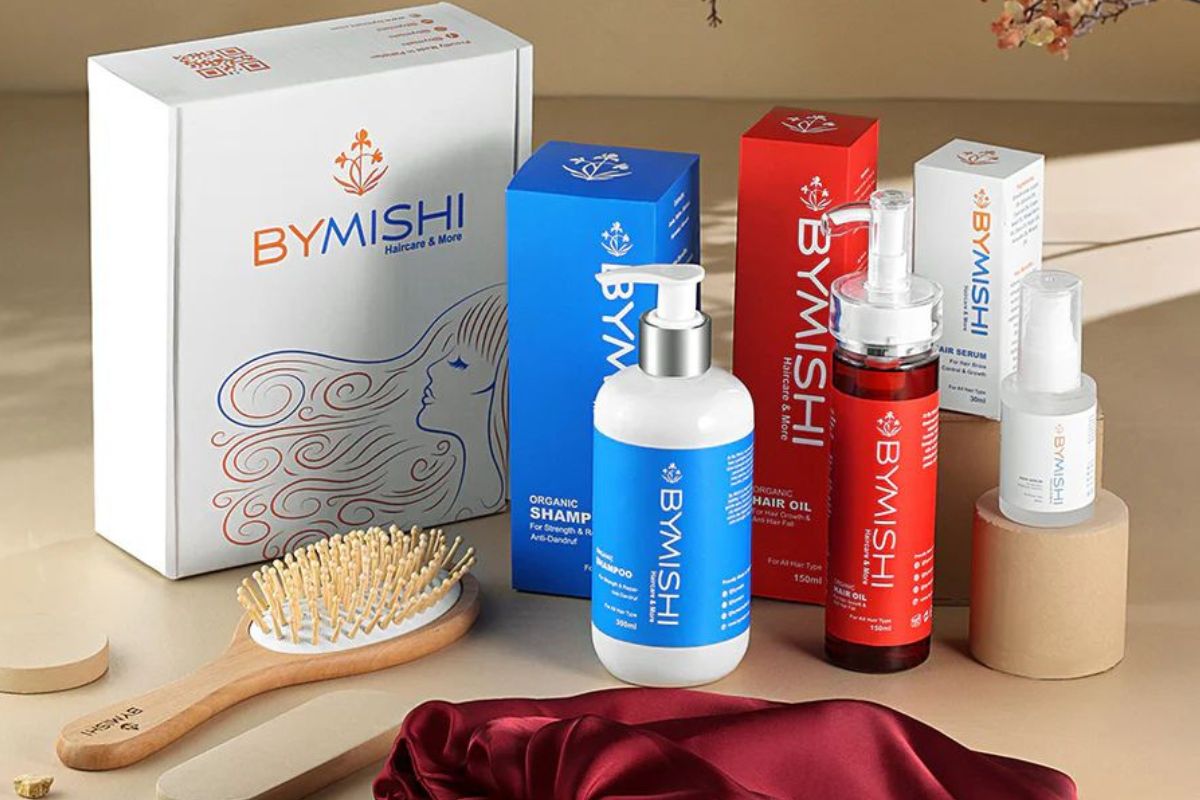
How to Choose and Use Hair Care Products in Pakistan for Strong and Healthy Hair
- Fashion
- wasif wasif
- 2026-03-17 10:24:01
- 565386
The appropriate information is the first step towards having strong, gorgeous hair. Despite purchasing products annually, millions of people nationwide continue to suffer from dullness, dryness, dandruff, and hair loss. The explanation is straightforward. They are either improperly using the products or using the incorrect ones for their hair type. Knowing what your hair truly needs, what ingredients to search for, and how to create a regimen that produces tangible results are all essential to understanding hair care products in Pakistan. Everything you need to know is covered in this handbook.
Why It's Important to Select the Correct Hair Care Products in Pakistan
The weather in Pakistan is harsh on hair. Your hair is under constant stress every day, whether you reside in the dusty streets of Lahore, the humid air of Karachi, or the dry heat of Multan. It is simple to understand why so many individuals have hair issues when you combine hard water, bad food, and styling damage.
The appropriate product addresses your particular hair issue. A shampoo that is ideal for greasy hair will exacerbate dry hair. Fine straight hair will be weighed down by a deep conditioning mask designed for thick curly hair. For this reason, the first step before doing anything else is to choose the appropriate hair care products in Pakistan depending on your hair type and concerns.
Know Your Hair Type Before Buying Any Product
The majority of people omit this step, which is why they squander money on ineffective items. Generally speaking, there are a few forms of hair. After a day or two of washing, oily hair feels oily. Dry hair splits easily, feels scratchy, and seems dull. After washing, normal hair retains its freshness for two to three days. Due to heat and environmental exposure, combination hair, which is particularly common in Pakistan, has an oily scalp but dry ends.
Your hair's texture is also important. Fine hair is easily weighed down and is sensitive. Stronger treatments and more moisture are required for thick hair. Because the natural oils from the scalp find it more difficult to go down the curves of the hair shaft, curly or wavy hair requires additional hydration. Choosing from the extensive selection of hair care products in Pakistan is much simpler once you have determined your hair type with clarity.
Best Shampoos for Different Hair Types
The cornerstone of any hair care regimen is shampoo. If you use the incorrect one, your scalp may become congested and inflamed, or your hair may lose its natural oils. Here is a summary of what to search for.
Select a shampoo with tea tree oil or salicylic acid for greasy hair. Without being overly abrasive, these substances remove extra sebum. Look for shampoos that contain shea butter, argan oil, or glycerin for dry hair. These attract and retain moisture in the hair shaft. Active compounds like zinc pyrithione or ketoconazole have been successfully shown to decrease flaking and fungal activity in scalps prone to dandruff. A keratin or protein-rich shampoo gradually rebuilds the structure of damaged or chemically treated hair.
One crucial piece of advice is to stay away from shampoos that include sulfates, such as sodium lauryl sulfate, if your hair is color-treated or dry. Sulfates are harsh cleansers that remove the necessary natural oils from your hair.
Conditioners and Hair Masks: The Products Most People Underuse
Conditioner is the restorative step if shampoo is the cleansing step. In Pakistan, a lot of people either don't use conditioner at all or apply it improperly, leaving their hair feeling knotted and harsh even after washing. Only use conditioner on the ends and mid-lengths of your hair. To prevent it from seeming oily, keep it away from the roots. To seal the cuticle and retain the moisture, let it on for two to three minutes and then rinse with cool water.
Hair masks are more advanced. These are concentrated treatments that provide intense nourishment by penetrating deeper into the hair shaft. If your hair is extremely dry or damaged, use a hair mask once a week; for normal hair, use one every two weeks. Rinse well after applying it to clean, moist hair and covering it with a shower cap for 20 to 30 minutes. Traditional hair care products in Pakistan have been used for generations, and ingredients like egg, yogurt, honey, and aloe vera perform wonderfully as homemade masks.
Hair Oils That Actually Deliver Results
Hair oiling has a long history in Pakistan, and there are good reasons to keep doing it. By covering and shielding the hair shaft, routine scalp oiling increases circulation, feeds the hair follicles, and lessens breakage. Selecting the appropriate oil for your issue is crucial.
Coconut oil stops protein loss by penetrating deeply into the hair shaft. It does wonders for dry, damaged hair. Because almond oil is lighter, it shines hair without making it feel heavy. Although castor oil is thick, it is well known for encouraging hair growth when applied to the scalp on a regular basis. Because of its warming qualities, mustard oil has long been a mainstay of Pakistani traditional hair treatment.
For optimal results, warm the oil before applying it, massage it into your scalp for five to ten minutes, coat the length of your hair, and keep it in for at least two hours or overnight. One of the easiest and least expensive hair care products in Pakistan that you can incorporate into your routine is oiling.
Serums, Heat Protectants and Styling Essentials
A few additional items can further protect and improve your hair after you've established your cleansing and conditioning regimen. Hair serums offer a healthy sheen, minimize frizz, and smooth the outside cuticle. Apply just two or three drops to the ends and mid-lengths of dry or damp hair. Serum should never be applied to the roots.
Anyone who uses a blow dryer, straightener, or curling iron must apply heat protectant sprays. Before drying or using any hot instrument, evenly apply it to damp hair. No amount of conditioning can undo the long-term harm that skipping this step does to the hair shaft.
The wider variety of hair care products in Pakistan that are currently available includes styling gels, mousses, and sprays. Don't overuse them. Overuse-related product buildup clogs follicles, which, over time, can cause scalp discomfort and increased hair loss.
Natural and Herbal Alternatives Worth Trying
Customers searching for hair care products in Pakistan are increasingly choosing natural and herbal solutions. Henna, amla, shikakai, reetha, and neem are examples of ingredients that have been used for centuries and are still quite effective today.
Henna serves as a conditioning agent, gives natural color, and fortifies the hair shaft. Amla is rich in antioxidants and vitamin C, which promote healthy scalps and hair growth. Unlike sulfate shampoos, which strip hair violently, shikakai and reetha are mild natural cleansers. In addition to being used in contemporary product formulations, these compounds may be found in raw form in herbal shops all over Pakistan, offering consumers the best of both worlds.
Building a Simple Weekly Hair Care Routine
What transforms good products into outstanding outcomes is consistency. This is a useful weekly schedule for the majority of Pakistani hair types. Use a shampoo that is appropriate for your hair type and a conditioner after washing your hair two or three times a week. One or two times a week, oil your scalp and let it sit for at least two hours before washing. Depending on how dry or damaged your hair is, apply a deep conditioning mask once a week or once every two weeks. After each wash, use serum to preserve and smooth your hair.
Every six to eight weeks, trim your ends. Once split ends form, no product can fix them. The only answer is to trim. You can get the most out of your investment in hair care products in Pakistan and begin to see actual, noticeable effects by following this kind of straightforward, consistent practice.
Lifestyle and Nutrition Promote Healthy Hair from the Inside Out
There is a limit to what external products can accomplish. Your body produces hair, and for it to grow robustly, it requires a healthy diet. Protein, iron, zinc, biotin, and vitamin D-rich diets directly promote healthy hair growth and lessen excessive hair loss. Excellent sources of essential nutrients include common meals found in Pakistani homes, such as eggs, dairy, spinach, almonds, and daal.
Drink lots of water every day. Hydration maintains the scalp's internal moisture content. Chronic stress is one of the main causes of hair loss in both men and women, so control your stress levels with exercise, relaxation, and enough sleep.
Concluding Remarks
Spending more money is not the key to having healthy hair. It's about making good use of what you have and spending it sensibly. There are now great solutions for every hair type, concern, and budget, thanks to the industry of hair care products in Pakistan, which has increased tremendously. Knowing your hair type is the first step.
538 people like this














About Premium Author
This post has been authored and published by one of our premium contributors, who are experts in their fields. They bring high-quality, well-researched content that adds significant value to our platform.